When faced with the need for a dental crown, choosing the right material can feel overwhelming. Each type of tooth crown offers distinct advantages and considerations, from durability and appearance to cost and placement requirements. This comprehensive guide will help you understand your options and make an informed decision about which crown type best suits your needs.
What Are Dental Crowns?
Dental crowns are custom-made tooth caps that cover damaged or weakened teeth, restoring their shape, size, strength and appearance. They encase the entire visible portion of a tooth above the gum line, providing protection whilst maintaining natural function. Crowns become necessary when a tooth has extensive decay, large fillings, cracks or has undergone root canal treatment.
The Main Types of Dental Crowns
Modern dentistry offers five main crown materials, each with distinct advantages. From porcelain that perfectly mimics your natural teeth to ultra-strong zirconia that combines beauty with durability, understanding these options helps you make the right choice for your specific needs and budget.
Porcelain Crowns
Porcelain crowns offer the most natural appearance, making them ideal for front teeth where your smile matters most. These crowns can be precisely matched to your surrounding teeth in both colour and the way light passes through them. This means they blend seamlessly with your natural teeth, creating an undetectable restoration.
Modern porcelain is remarkably strong, though it can’t quite handle the heavy chewing forces that metal alternatives can withstand.
The main advantage lies in how well your body accepts porcelain – it won’t cause allergic reactions and actually resists staining better than your natural teeth do. This means your crown may stay whiter than the teeth around it over time. However, porcelain can chip if you bite down on something very hard like ice or nuts, and these crowns typically cost more than other options due to the skilled craftsmanship required.
Porcelain-Fused-to-Metal Crowns (PFM)
These crowns combine the strength of metal with porcelain’s natural appearance. A metal foundation provides the durability needed for everyday chewing, whilst a porcelain coating delivers the natural look you want.
This combination makes PFM crowns versatile enough for both front and back teeth, giving you reliability without completely sacrificing appearance.
The metal base offers excellent strength for the forces created when you chew and bite, making these crowns last longer than pure porcelain options. However, as your gums naturally recede with age, a thin dark line from the metal underneath may become visible at the gum line. They represent a middle ground between a natural appearance and maximum strength.
Metal Crowns
Gold alloy and other metal crowns provide exceptional durability and can last decades with proper care. They withstand the strongest chewing forces without breaking and rarely develop chips or cracks that plague other materials.
Metal crowns also require less removal of your natural tooth structure during preparation, which means more of your original tooth remains intact underneath.
These crowns work brilliantly for back teeth, where appearance matters less than function. You can bite and chew with complete confidence, knowing your crown won’t fail under pressure. The obvious drawback is their metallic appearance, making them unsuitable for areas where people can see them when you smile.
However, their gentle compatibility with your mouth tissues and exceptional longevity make them an excellent long-term investment for teeth that do the heavy work of chewing.
Zirconia Crowns
Zirconia represents the newest advancement in crown technology, offering what many consider the best of both worlds. This advanced ceramic material provides strength that rivals metal whilst maintaining the natural appearance you want for a confident smile.
Zirconia crowns resist daily wear and tear exceptionally well, won’t cause the sensitivity to hot or cold that some people experience with metal crowns, and blend seamlessly with your natural teeth.
These crowns suit patients wanting maximum performance without compromise – impressive durability combined with excellent appearance.
While they cost more initially than other options, they often prove the most cost-effective choice over time due to their exceptional lifespan and reduced need for replacement.
Composite Resin Crowns
Composite resin crowns offer the most budget-friendly option and can often be completed in a single visit to your dentist. The material bonds directly to your prepared tooth and can be colour-matched to blend with your surrounding teeth quite effectively. This makes them an attractive option for patients who need immediate treatment or have financial constraints.
However, composite resin is the least durable option available and more prone to staining from coffee, tea and other foods than other crown materials.
These crowns work well as temporary solutions while you plan for a more permanent option, or for patients who understand they’ll likely need replacement sooner than with other crown types. Think of them as a practical short-term solution rather than a lifelong investment.
Factors Affecting Crown Selection
Location in the Mouth
Front teeth require crowns that prioritise how your smile looks, making porcelain or zirconia the ideal choices for maintaining your confident appearance. These teeth are on display every time you speak, laugh or smile, so natural appearance becomes the primary consideration.
Back teeth, however, endure much greater forces when you chew and grind food, making strength and durability the most important factors. This is why metal or zirconia crowns often suit your back teeth better – they can handle the demanding job of breaking down food without failing.
Bite Force and Grinding
Patients who grind their teeth at night or naturally have a powerful bite need crowns that can withstand enormous pressure without cracking. If you wake up with jaw soreness or your partner has mentioned hearing you grind your teeth, you’ll need the strongest materials available.
Metal or zirconia options provide the exceptional strength necessary to survive the intense forces created by grinding and clenching without developing fractures that could lead to your crown becoming loose or breaking altogether. For more information on how to reattach your tooth crown, have a read of our recent blog post.
Budget Considerations
Crown costs vary significantly between materials, and it’s important to think beyond the initial price. Composite resin offers the most economical upfront cost, whilst zirconia represents the premium investment.
However, consider the long-term value when making your decision – more expensive crowns often last much longer, potentially saving you money over the years by avoiding frequent replacements and additional dental visits. For more information on how long crowns last on teeth on average, have a read of our blog post here.
Allergies and Sensitivities
Some patients experience uncomfortable reactions to certain metals used in dental work, ranging from mild irritation to more serious allergic responses. If you’ve ever had issues with metal jewellery or have known metal sensitivities, porcelain and zirconia provide excellent alternatives that won’t trigger these reactions.
Your dentist can discuss any concerns about metal sensitivity and may recommend allergy testing if there’s uncertainty about which materials will work best for your body.
The Crown Placement Process
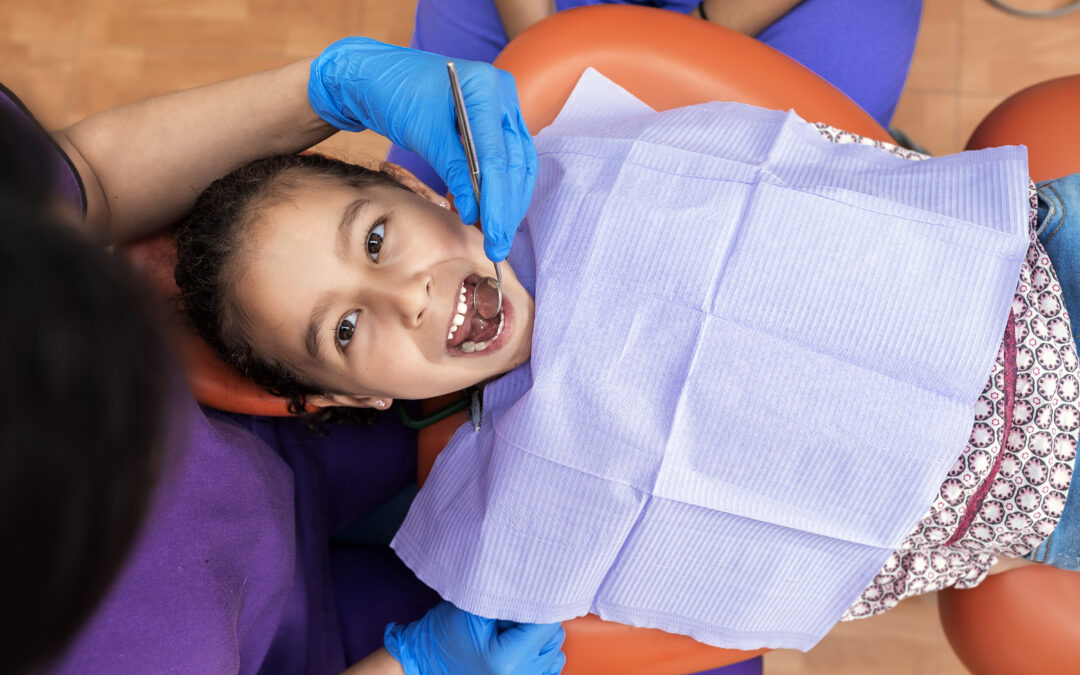
Crown placement typically requires two separate appointments spread over a few weeks. During your first visit, your dentist prepares the damaged tooth by removing any decay and carefully reshaping it to accommodate the crown.
This process ensures the crown will fit properly and function naturally when you bite and chew. Detailed impressions are then taken to create a crown that matches your tooth perfectly and a temporary crown protects the prepared tooth while your permanent crown is being made.
At your second appointment, the permanent crown arrives ready for fitting. Your dentist removes the temporary crown and carefully positions the new crown, making precise adjustments to ensure your bite feels completely natural and comfortable. Modern dental technology sometimes allows same-day crowns using digital scanning and in-surgery milling, though this option isn’t available for all crown types or situations.
Caring for Different Crown Types
All crowns benefit from consistent oral hygiene, but specific materials have particular care requirements. Porcelain crowns resist staining well but can chip if you’re not careful, so avoid biting hard objects like ice or pen caps.
Metal crowns withstand almost anything you can throw at them but may require special cleaning techniques around the gum line where plaque can accumulate.
Regardless of your crown type, avoid chewing ice, hard sweets or using your teeth as tools to open packages. These habits can damage even the strongest crowns and definitely harm your natural teeth. Regular dental check-ups help identify potential issues before they become serious problems requiring extensive treatment.
Conclusion
The best crown type depends on your individual circumstances, preferences and budget. Front teeth typically benefit from porcelain or zirconia for optimal appearance that keeps your smile looking natural. Back teeth often perform better with metal or zirconia crowns for maximum durability under the constant pressure of chewing.
Discuss your lifestyle, expectations and concerns openly with your dentist. They can recommend the most suitable option based on your specific situation and help you understand the long-term implications of each choice, including maintenance requirements and expected lifespan. If you’re ready to restore your smile with properly applied tooth caps, contact our team at Grosvenor Dental Practice today to discuss your options.