
Is your gum swollen around just one tooth? This type of swelling often points to a localised dental issue rather than general gum inflammation.
From a dental abscess or tooth decay to a cracked tooth or even something as simple as trapped food; a swollen gum is usually a sign that something isn’t quite right.
In this blog, we’ll explore the most common causes of swelling around a single tooth, share tips for temporary relief at home, explain what it’s important to see a dentist, and outline the possible treatment options you may be offered.
What Causes Swelling Around One Tooth?
-
A Dental Abscess
A dental abscess is one of the most common reasons a gum becomes swollen around a single tooth.
It occurs when a bacterial infection develops inside the tooth or surrounding gum tissue, leading to a build-up of pus.
This can cause a painful, swollen area that may feel warm or tender to the touch.
Other symptoms may include:
- Throbbing or persistent pain
- Swelling that spread to the cheek or jaw
- A pimple-like bump on the gum
- A bad taste in the mouth
- Fever or feeling unwell
An abscess should never be ignored and usually requires prompt treatment to prevent infection from spreading.
-
Food or Trapped Debris Under the Gum
Food particles or debris trapped beneath the gumline can irritate the surrounding tissue, leading to localised inflammation and swelling.
Gentle flossing may help remove the debris, but persistent swelling may indicate a deeper issue.
-
Tooth Decay
Cavities can extend deep into the tooth, irritating the nearby gum tissue and potentially allowing bacteria to spread.
Over time, this can lead to infection and swelling around the affected tooth.
-
Cracked or Damaged Tooth
A cracked or damaged tooth can allow bacteria to enter the inner tooth or surrounding gum tissue, leading to irritation or infection.
Cracks are not always visible to the naked eye and may only become noticeable once symptoms develop.
-
Gum Disease
A build-up of plaque and tartar in one specific area can trigger localised gum disease, causing inflammation, redness, and swelling around a single tooth.
-
Recent Dental Work
Recent dental treatments such as fillings, crowns or a deep clean can sometimes cause temporary gum swelling around the treated tooth.
This should settle within a few days; however, if swelling worsens or persists, it’s best to contact your dentist.
Is a Swollen Gum Around One Tooth a Dental Emergency?
A swollen gum around a single tooth may require urgent dental treatment if you experience any of the following symptoms:
- Severe or worsening tooth pain
- Rapidly increasing swelling
- Pus or discharge from the gum
- A fever or feeling generally unwell
- Facial swelling or difficulty opening the mouth
This symptoms can indicate an oral infection that may spread if left untreated. If you notice any of the above, it’s important to contact a dentist as soon as possible.
What Can I Do At Home For Temporary Relief?
While home care may not treat the underlying cause, it may help ease discomfort until you can see a dentist.
For some temporary relief you could try:
- Rinsing with warm salt water to help soothe inflammation
- Brushing gently with a soft-bristled toothbrush
- Flossing carefully to remove trapped food or debris
- Avoid chewing on the affected side of your mouth
- Take-over-the-counter pain relief if appropriate
If symptoms persist or worsen, seek an emergency dentist appointment.
How Will a Dentist Treat a Swollen Gum?
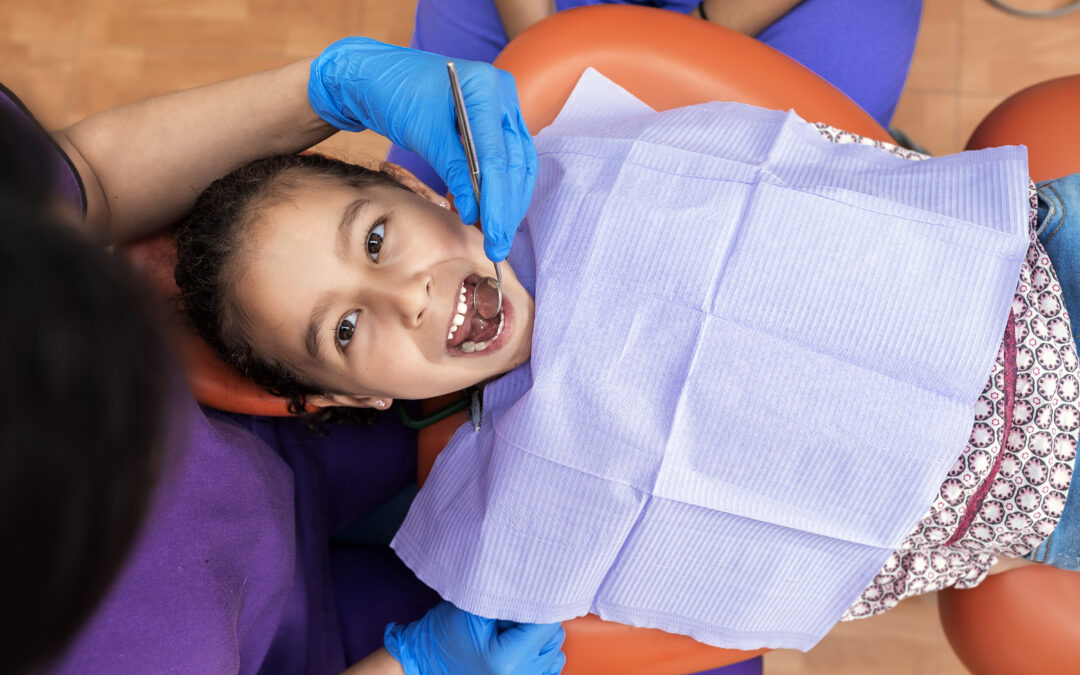
Treatment for localised swelling around a single tooth will depend on the underlying cause identified during your dental examination.
The dentist may:
- Prescribe antibiotics to help control an infection
- Drain an abscess to relieve pressure and remove infection
- Repair the tooth with a filling, root canal treatment or crown
- Carry out a deep clean to treat gum disease
- Recommend tooth extraction in more severe cases where the tooth cannot be saved.
Early treatment often leads to faster relief and helps prevent further complications.
Final Thoughts
A swollen gum around one tooth is a sign that something isn’t quite right and should never be ignored.
While the cause may be minor, it can also indicate an infection or underlying dental problem that requires prompt professional care.
Acting early can help prevent complications and protect your long-term oral health.
If you’re experiencing swelling, pain, or discomfort around a single tooth, the team at Grosvenor Dental Practice are here to help.
Contact us today to book a dental examination and take the first step towards restoring your comfort and confidence.