Your dentures play an important role in your everyday oral comfort and confidence. Whether you’ve had them for years or are new to wearing them, keeping them clean is key to ensuring they stay comfortable, last longer and support good oral hygiene. But to keep them fresh and clean, it’s important that you follow the right routine. In this article, we’ll walk you through exactly how to clean your dentures, how to sanitise them, how to wash them naturally at home and even answer some additional questions you might have, such as when the best time to wash your dentures actually might be.
Why Proper Denture Cleaning Matters
Even though dentures aren’t living teeth, they still attract bacteria, food debris and plaque. If not cleaned properly, this can lead to gum soreness, infections such as denture stomatitis and an unpleasant mouth feel. That’s why practising these simple cleaning habits goes beyond keeping your dentures looking their best, it also plays a role in your overall health.
Your Daily Denture Routine Made Simple
1. Rinse Them After Every Meal
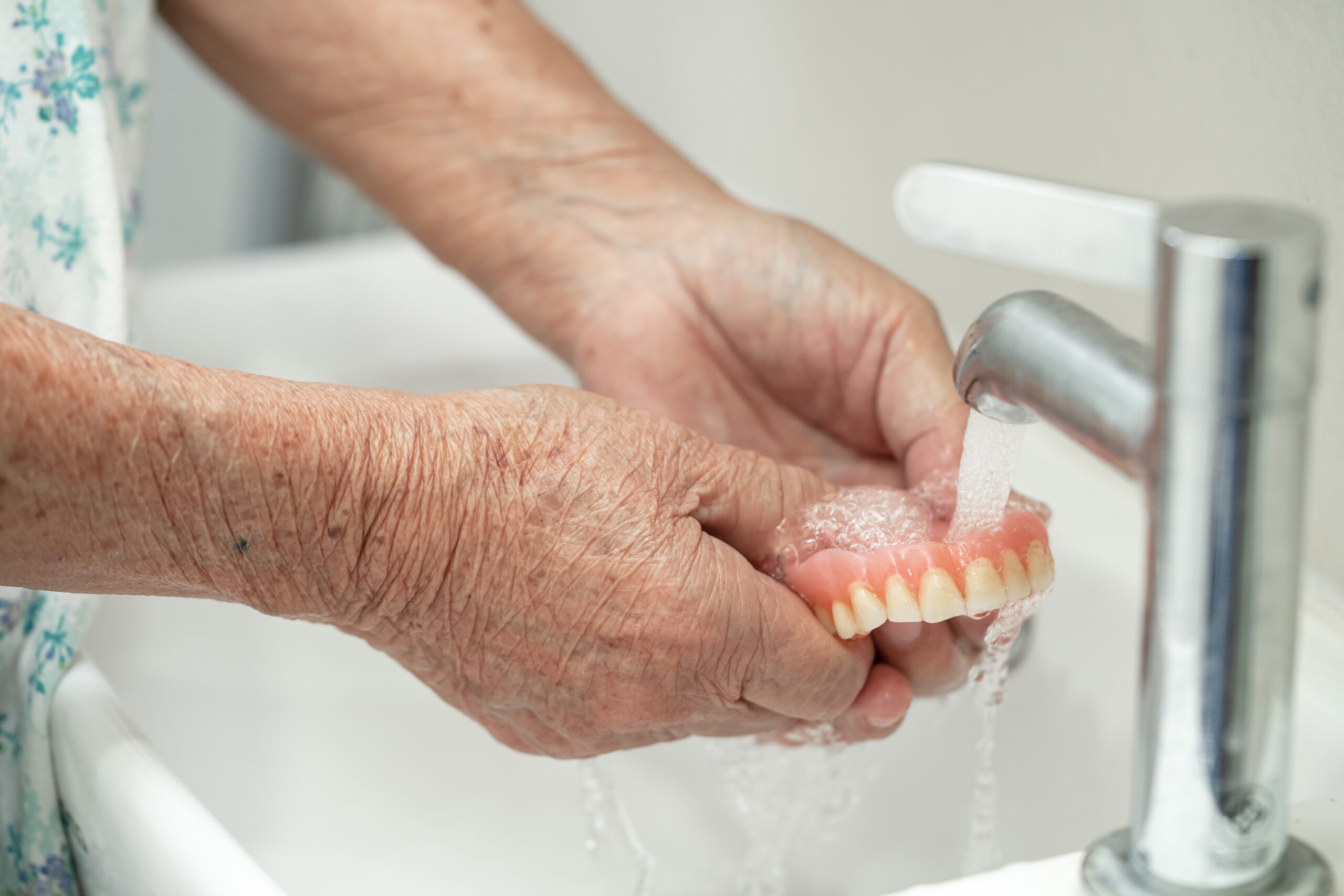
Take your dentures out after eating and rinse them under running water. This helps wash away loose food and prevents bits from sticking or settling (for info on which foods to avoid after getting dentures, have a read of our recent article). Doing this over a folded towel or a sink filled with water gives you peace of mind in case they slip out of your hands.
2. Use a Gentle Brush Each Day
Using a soft-bristled toothbrush or a purpose-made denture brush and lightly scrubbing your dentures will allow you to remove plaque without scratching the acrylic or porcelain. Avoid hard brushes or regular toothpaste, as they can damage the surface of your dentures, instead choose a non-abrasive denture cleanser or a mild soap to help lift residue gently.
Take time to clean all areas including the underside and edges that sit against your gums, to keep them all fresh and debris-free.
3. Clean Your Mouth, Too
Brushing your gums, tongue and any remaining natural teeth is just as important as making sure your actual dentures are clean. Doing this will help reduce bacteria, support healthy gums and enhance overall comfort when you wear your dentures again.
What to Avoid When Cleaning Dentures
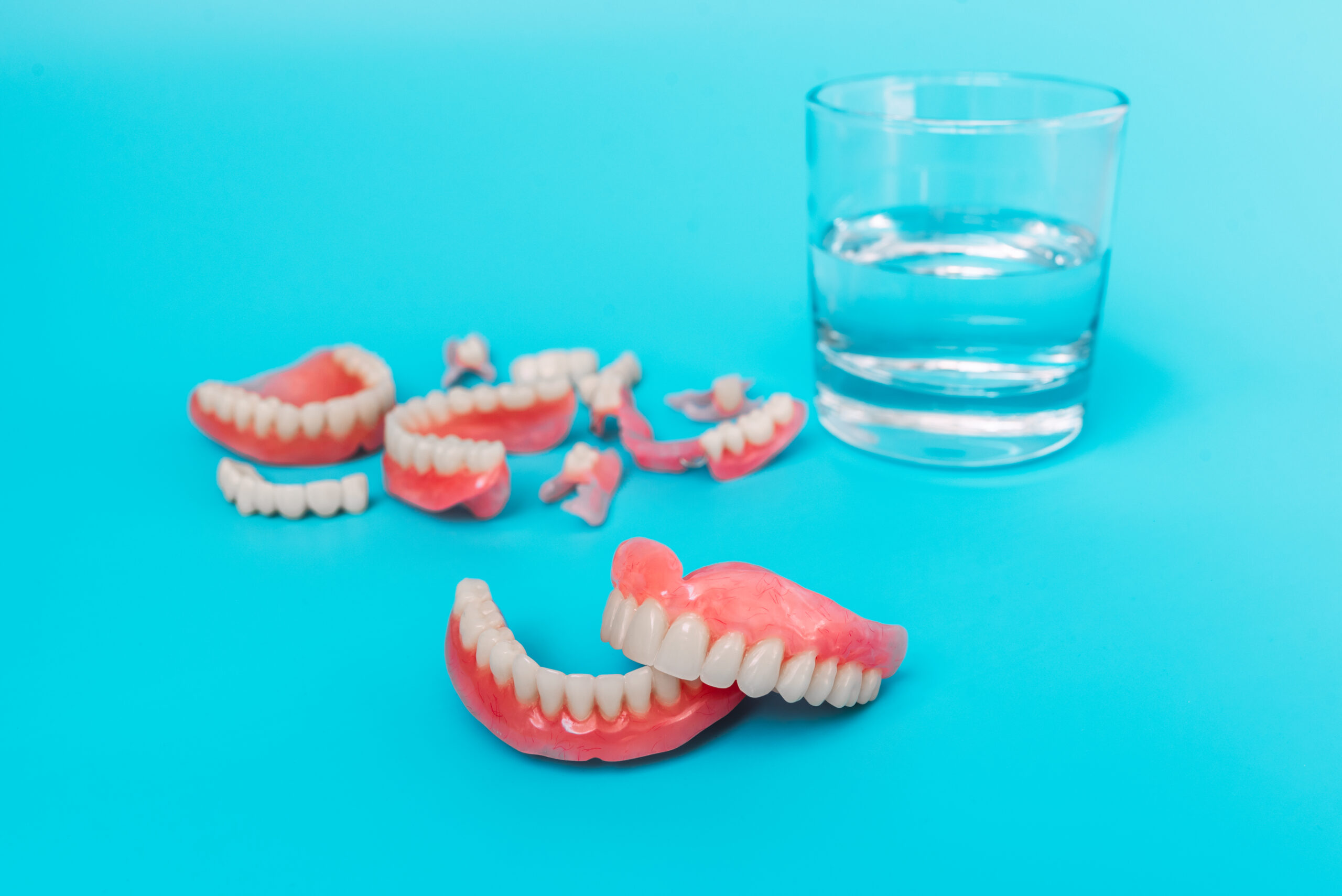
When it comes to cleaning your dentures, just as important as knowing what to do is understanding what to avoid. Certain habits or products can cause irreversible damage, shorten the lifespan of your dentures or make them uncomfortable to wear. Here are some key things to steer clear of:
- Skip hot or boiling water – Excessive heat can cause most denture materials (especially acrylic) to warp or distort. This can lead to a poor fit and discomfort when wearing them, even in dentures that include metal parts.
- Avoid bleach or harsh cleansers – Strong chemicals can damage most types of dentures. They may discolour acrylic surfaces, weaken the material over time or corrode metal components in partial dentures, affecting both appearance and durability.
- Stay away from whitening toothpastes – These often contain abrasive particles or bleaching agents that are too harsh for materials like acrylic and porcelain. Over time, they can cause micro-scratches that make dentures more prone to staining and plaque build-up.
Should You Soak Dentures Overnight?
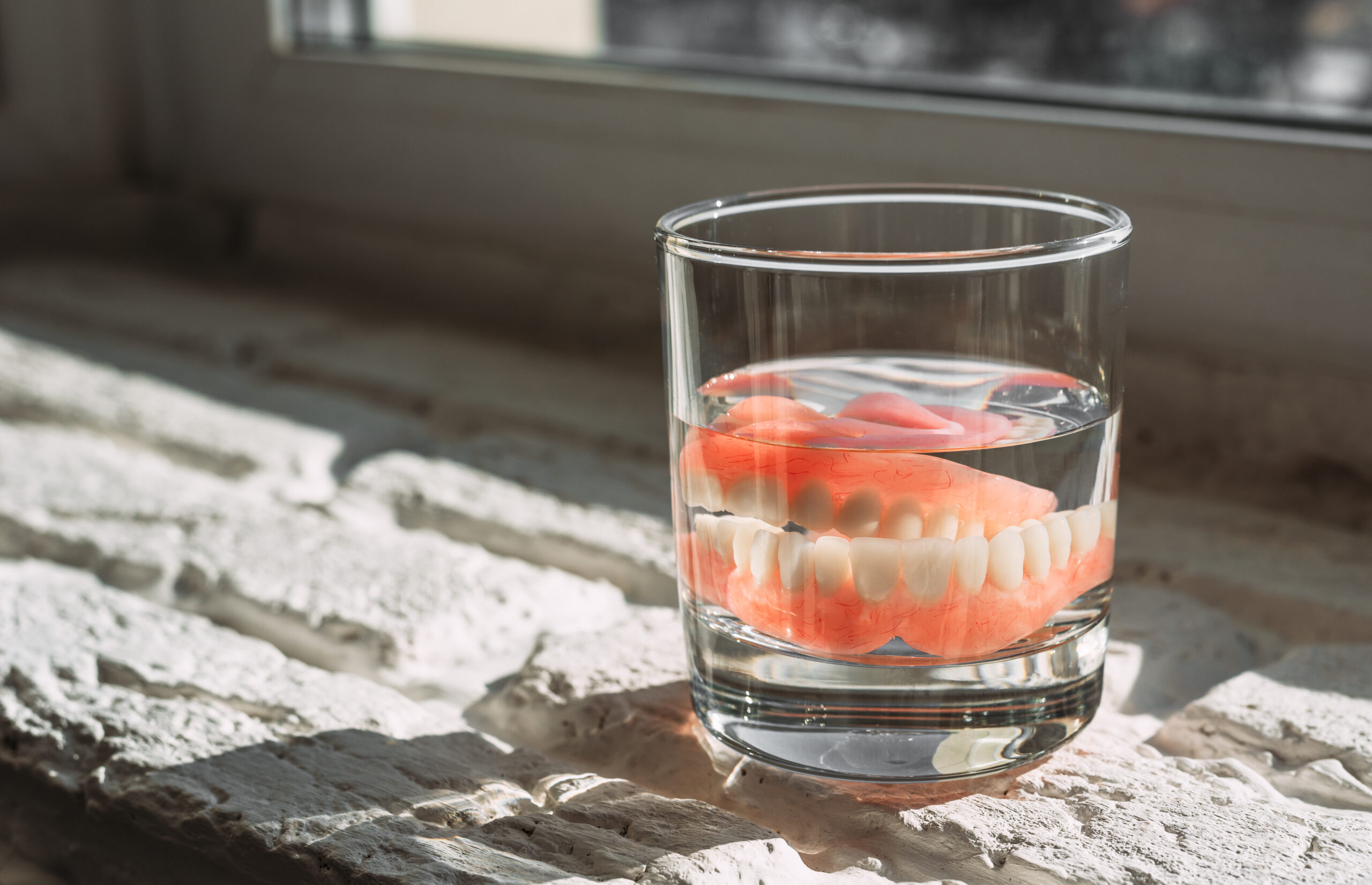
Leaving dentures out to dry can cause them to lose their shape or become brittle over time, especially if they’re made from acrylic. To keep them in good condition, it’s best to soak them overnight when they’re not being worn. Be sure to use cool water or a mild denture-cleaning solution, unless your dentist advises otherwise. This helps preserve their fit and prevents damage.
If you’re using a cleansing solution, follow the instructions on the label carefully and avoid solutions not intended for overnight use. In the morning, rinse your dentures thoroughly under clean running water to remove any remaining cleaner before putting them back in. This prevents irritation and ensures a fresh, comfortable start to the day.
Natural Ways to Clean or Sanitise Your Dentures
If you’re looking for gentler or chemical-free options, try these natural methods – just check with your dentist first, especially if your dentures have metal parts:
- White vinegar soak – Mix equal parts water and white vinegar, soak for half an hour or overnight to help dissolve stains and disinfect.
- Baking soda paste – Stir baking soda with a little water into a paste and brush gently to lift surface stains and freshen them.
- Baking soda soak – Dissolve two teaspoons of baking soda in warm water and leave your dentures to soak overnight for added freshness.
- Hydrogen peroxide rinse – Apply gently with a brush to brighten and clean, but rinse thoroughly to avoid residue.
These choices offer softer alternatives to traditional cleansers. Just pause the soak or switch methods if you notice any sensitivity or damage.
Final Thoughts
Caring for your dentures doesn’t need to be complex. With a simple routine which includes daily rinsing, gentle brushing, overnight soaking and occasional cleansing using natural methods, you can keep them clean and comfortable. Remember, these habits not only benefit your dentures but also your oral health.
If you’d like suggestions for denture cleaning products or want tips tailored for partial or implant-supported dentures, our team at Grosvenor Dental Practice are on hand and happy to help. Reach out today to book an appointment and find out how we can help you with your long-term denture usage.